One-Time Passwords Explained: How They Work & Common Use Cases

Nov 9, 2023
-minute read
Last Updated: Apr 24, 2026
Headshot of Shasta Turney
Director, Healthcare Solutions Marketing

If you still rely on usernames and passwords for user logins, compromised credentials leave you vulnerable to fraudulent attacks. Supplementing them with an additional authentication method like a one-time password (OTP) or a one-time passcode is a great way to strengthen your security posture. An OTP is an automatically generated sequence of characters valid for only a single login session, providing a critical layer of multi-factor authentication (MFA) to protect sensitive data.


Today, OTP typically plays a supporting role alongside stronger methods—such as passkeys and biometrics—rather than serving as the primary control for sensitive actions.

Key Takeaways


  • Definition: A one-time password is a unique code valid for one login or transaction, then it expires.

  • MFA role: OTPs add a second factor tied to a device or channel, reducing stolen password impact.

  • Delivery options: SMS, voice calls, email, messaging apps, hardware keys, and authenticator apps support different user needs.

  • Security note: Pair these codes with phishing-resistant methods, such as passkeys and risk signals, for stronger protection.


What Is a One-Time Password (OTP)?

The acronym OTP is commonly used to refer to a one-time passcode, and it is also used to describe a single-use password. It is an automatically generated sequence of characters that is only valid for a single login session or transaction. Since these codes can only be used once, they protect against the dangers of compromised credentials, such as lost or stolen passwords.


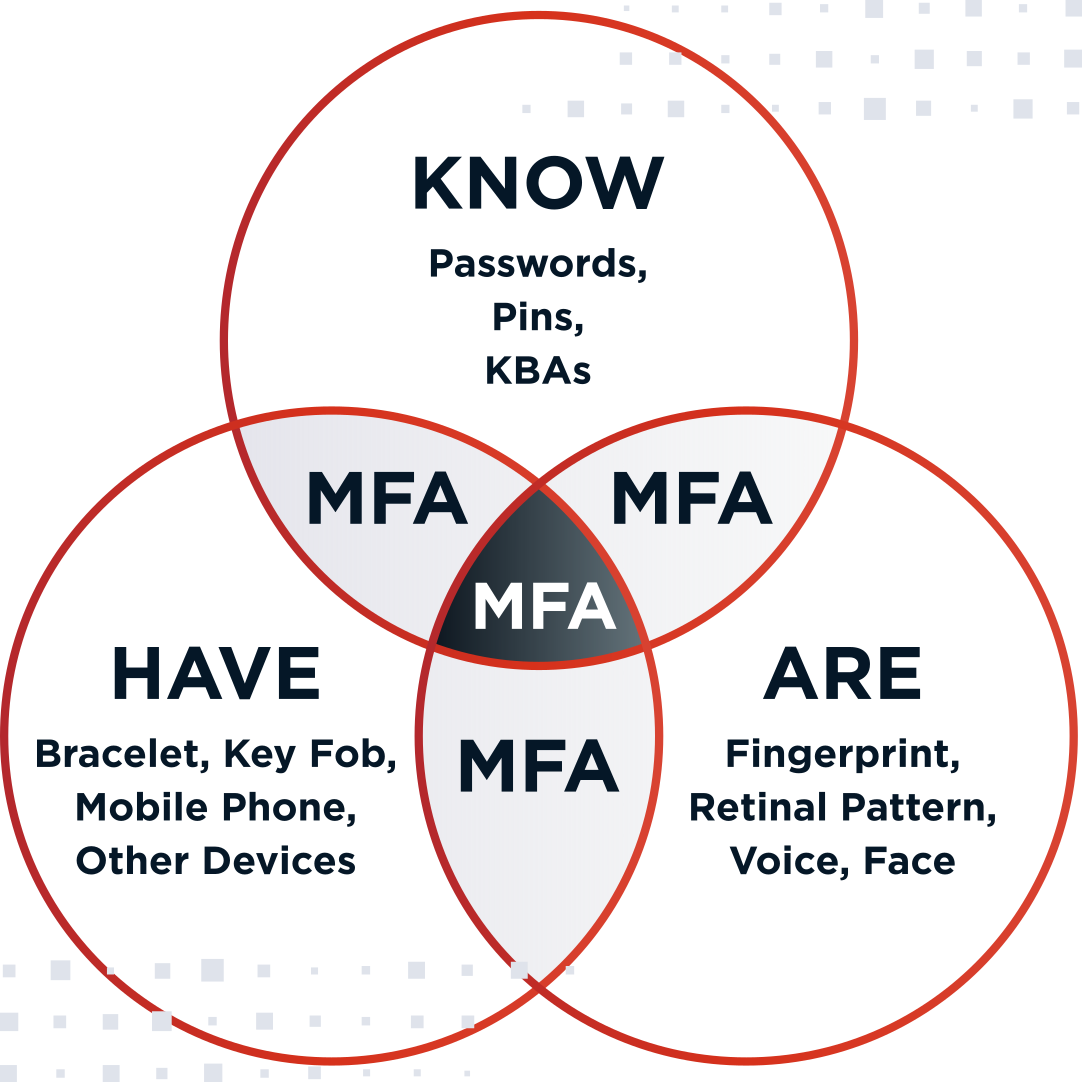
In identity and access management (IAM), MFA practices rely on forms of proof that include something users know, something they have, or something they are. OTPs fall into the "something they have" category because they are typically accessed directly from user devices like smartphones. OTP has long been one of the most common ways to implement MFA, but modern strategies increasingly favor passkeys and biometrics for medium- and high-risk scenarios, with OTP reserved for lower-risk flows or as a compatibility fallback.


By contrast, device-bound passkeys stored on a user’s phone or laptop typically pair “something you have” with “something you are” via local biometrics, like Face ID or third-party biometrics, and are better suited to protecting medium-risk journeys. OTP remains useful where stronger options are not yet available or where low-risk, low-friction coverage is sufficient.


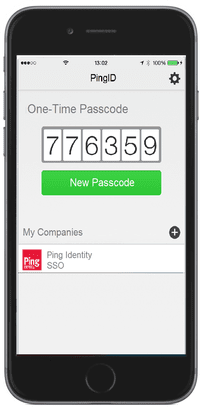
Mobile device generating a one time passcode to authenticate identity Onetime passcode is 776359
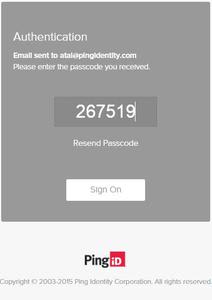
Screenshot of an authentication window with a one time password of 267519 entered
Photo of a man sitting in front of a laptop holding a smartphone in his right hand showing a successful authentication

How Does One-Time Password Authentication Work?

OTP authentication follows a straightforward process to verify user identity securely. First, a user initiates a login with their primary credentials. Next, the system generates a unique code using algorithms and time-sensitive or event-based variables. This code is delivered to the user through a registered device or channel. The user enters the code into the authentication window, and the server validates the entry before granting access. Once used, or after the allowed time window expires, the code is no longer valid and cannot be reused.


 In a modern risk-based model, OTP is typically used for low-risk access or legacy applications, while medium-risk flows favor passkeys, local biometrics, and authenticator apps, and high-risk actions are increasingly protected by strong third-party biometrics.

Types of One-Time Passwords

There are two primary approaches to generating OTPs, each with distinct characteristics that suit different use cases and security requirements.


Time-Based One-Time Password (TOTP)


A time-based method uses the current timestamp as a moving factor. These codes typically expire within thirty to sixty seconds. The temporary passcode is generated by an algorithm that uses the current time of day as one of its variables. Authenticator apps like Google Authenticator are common generators for this approach. Enterprises must ensure users can receive and enter their codes before the time limit expires.


In practice, TOTPs are most commonly delivered through authenticator apps installed on a user’s device. These apps generate time-based OTPs locally, without relying on SMS or email, which improves security relative to basic delivery methods—but still falls short of the phishing resistance and usability offered by passkeys and biometric-backed credentials for medium- and high-risk use cases.


HMAC-Based One-Time Password (HOTP)


HMAC stands for hash-based message authentication code. This event-based method uses a counter as the moving factor instead of time, relying on seed values and hashes to generate codes. The algorithm is based on an increasing counter value and a static symmetric key known only to the token and the validation service. Because it uses counters, the code remains valid until another one is actively requested and validated by the authentication server, offering a longer validity window.

Common One-Time Password Delivery Methods

Depending on your security policies and user base, several delivery methods are available. Choosing the right one comes down to balancing security, accessibility, and the experience you want to provide your users.


Each of these delivery channels carries a different balance of usability and security, but they’re increasingly evaluated alongside phishing-resistant options like FIDO2-based passkeys and platform biometrics so that the right method can be applied to the right context.


SMS OTP


A unique and time-sensitive code is sent to a user's mobile device via a text message. This method is extremely popular due to its speed and convenience. Because SMS is vulnerable to threats like SIM swapping and message interception, it is now generally treated as a lowest-common-denominator option for low-risk scenarios or legacy user segments, not as a control for protecting sensitive actions.


Voice OTP


A code is delivered through an automated voice message over a phone call. This is considered secure since the code is delivered audibly directly to a specific number.


Email OTP


Codes are sent directly to a user's inbox. While this adds an extra layer of security since users must log into their email, some question this method because emails are not tied to a specific physical device. As a result, email OTP is typically positioned as a convenience or recovery factor for low-risk flows, while more sensitive operations are shifted to passkeys and biometrics tied to specific devices or trusted providers.


Messaging Apps


Codes are sent via popular messaging apps like Telegram or WhatsApp. Users enjoy the added security of these platforms because they automatically encrypt messages. Even with end-to-end encryption, messaging-app OTPs largely mirror the risk profile of SMS and email, so they are best suited to low-risk scenarios.


Hardware Keys


Physical devices generate one-time codes with the push of a button. Certain organizations prefer hardware keys since they operate offline and are inaccessible to remote fraudsters.


Authenticator Apps


Codes are generated by mobile applications like PingID. Since these apps work offline and entirely within user devices, they are considered extremely secure. Authenticator apps—such as PingID—sit at a sweet spot for many organizations: when you can rely on a user’s personal device, they offer one of the best balances of security and friction. Increasingly, these apps don’t just generate OTPs; they also manage device-bound credentials and leverage local biometrics, making them an ideal choice for medium-risk scenarios where strong assurance and good UX are both essential.


 

Multifactor authentication methods graphic These categories include something they know something they have and something they are

Common Use Cases for One-Time Passwords

OTPs offer a secure and convenient way to implement MFA in situations where sensitive data is accessed. They prevent bad actors from using compromised credentials because attackers cannot provide the additional authentication factor. These codes are used across many scenarios and industries where account-takeover risk is high.


Financial Transactions and Banking: In banking and payments, OTPs help secure account access and reduce fraud by requiring verification for logins and transaction approvals.


Healthcare Record Access: Organizations use this approach for employee IAM and to support compliance with privacy regulations like HIPAA.


Ecommerce Checkout Verification: Authentication helps online retailers provide secure shopping experiences, protecting sensitive financial information during purchases.


Government Services: Agencies use secure codes to protect online portals for citizen logins and restrict access to important databases.

Benefits of One-Time Passwords

These codes expire quickly and cannot be reused, which makes them more secure than static credentials that users may reuse for multiple applications. Key benefits include:


Prevents Compromised Credentials from Being Successfully Used: Because the code is a required authentication factor, a hacker using a stolen password will not be able to gain access to your resources without it.


Randomly Generated Codes Are Difficult to Guess: Attackers will have a hard time guessing these codes, even with automated cracking tools. The additional constraints of time-based and event-based algorithms make guessing far less practical.


Reduces Password Fatigue:Users often struggle to remember passwords or reuse them across multiple applications. Single-use codes are automatically generated and do not require the user to create or memorize them.


Limits Friction for Users:Push notifications and out-of-band delivery through SMS, email, or voice can make verification fast and familiar for many users.


Reduces IT Staff Time for Password Resets:Because these are single-use credentials, helpdesks can spend less time on password reset requests and related troubleshooting.


Easy Integration and Implementation: OTP methods can be integrated with existing security systems or authenticator apps, and they can scale to fit organizational needs, including large events and promotions.

Are One-Time Passwords Secure?

OTPs are a meaningful step up from static passwords, but like any security measure, they come with trade-offs worth understanding.


OTP Security Strengths


These codes offer meaningful security advantages over static passwords. Their short validity window and single-use nature make them resistant to credential stuffing and replay attempts. When delivery is tied to a separate device or channel, they also raise the effort required for an attacker to successfully take over an account.


Known Vulnerabilities and Risks


Despite their strengths, OTPs are not immune to modern threats. Codes can be captured through SIM swapping, phishing, and man-in-the-middle attacks. SMS delivery is especially exposed because it depends on mobile carrier processes and network-level security. Many organizations mitigate these risks by pairing OTP verification with phishing-resistant methods such as passkeys, biometrics, security keys, and adaptive risk signals that evaluate context before granting access. Layering adaptive MFA and advanced threat protection alongside OTPs creates a much stronger defense, letting you continuously assess risk without adding unnecessary friction for legitimate users.

One-Time Passwords vs. Other Authentication Methods

When you evaluate authentication strategies, it helps to compare OTP-based verification to other methods. Passkeys and FIDO2 authentication can offer stronger phishing resistance by relying on cryptographic key pairs rather than intercept-able codes. Biometric authentication verifies physical traits, which can provide strong security with low user effort when implemented well. Push-based adaptive MFA evaluates contextual signals like location, device posture, and behavior patterns before allowing access. OTPs remain widely useful and accessible, but many teams are steadily adopting more phishing-resistant and passwordless approaches for higher-assurance use cases. No-code journey orchestration makes it easier to blend these methods together—so you can start with OTPs where they make sense and layer in stronger factors over time without redeploying your entire authentication stack.

Frequently Asked Questions

Codes can be intercepted through SIM swapping, phishing, or network attacks. SMS delivery is particularly vulnerable because it relies on mobile carrier security. Combining OTP verification with phishing-resistant methods like passkeys can reduce these risks significantly.

Two-factor authentication (2FA) is a security practice requiring two distinct forms of verification. An OTP can serve as one of those factors, but other options include biometrics, security keys, and push approvals. Many logins that use OTPs are examples of 2FA, but not all 2FA flows rely on these codes.

A common example is a six-digit code sent to your phone via text message when logging into a bank account. Another example is a rotating code generated every thirty seconds by an authenticator app.

Share this Article:
Related Resources

Start Today

See how Ping can help you deliver secure employee, partner, and customer experiences in a rapidly evolving digital world.