Reshaping Financial CX
Customer experience (CX) is becoming an increasingly pivotal driver of loyalty, growth, and competitive edge in financial services. However, as institutions race to modernize and adapt to a continuously evolving regulatory environment, one foundational element often gets overlooked: identity. From account creation to transactional authorization and personalized service delivery, digital identity is the gateway to every customer interaction. Whether personalizing experiences to meet customer needs, streamlining data portability and credential control, or enabling broader access via mobile banking, a modern identity strategy can enhance CX while mitigating fraud and compliance risks.
This eBook explores three powerful ways identity is transforming customer engagement, expectations, and service in financial services—and how leading institutions are using them to reach more people, earn trust, and grow faster.
1. Secure Third-Party Sharing
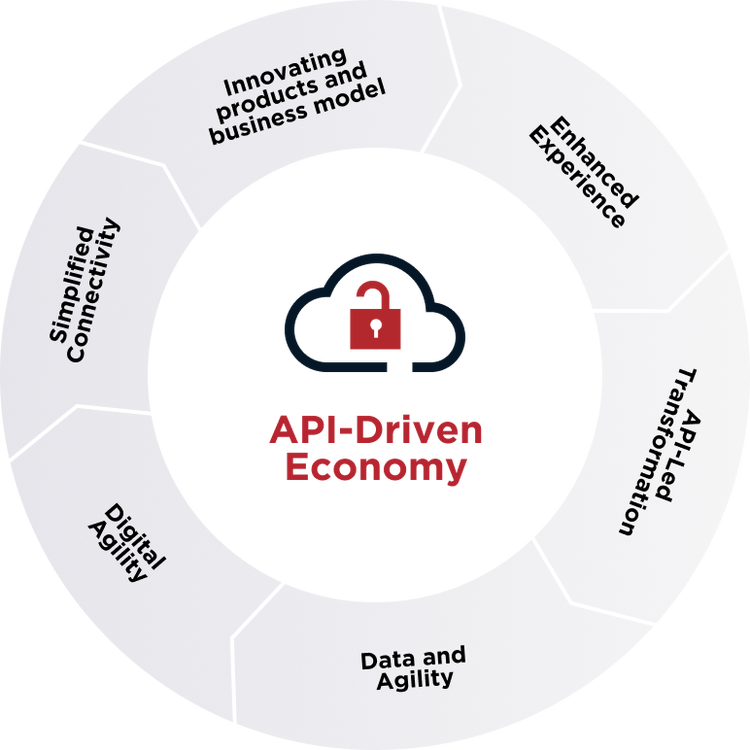
Open banking promises faster innovation, smarter personalization, and more control for customers, but only if identity is done right. At the heart of every Application Programming Interface (API) call, data-sharing request, or embedded finance experience is a simple question: "Who is asking, and can they be trusted?" Without strong identity proofing, consent management, and risk-based, adaptive authentication, open banking exposes institutions to risk, complexity, and customer churn. Modern CIAM enables secure, standards-based data sharing while giving users full transparency and control. The result: lower fraud, higher trust, and a foundation for the kind of personalized digital experiences customers increasingly demand. By adopting secure third-party data sharing, financial service providers position themselves to stand out and succeed in the API-driven economy.
2. Decentralized Identity
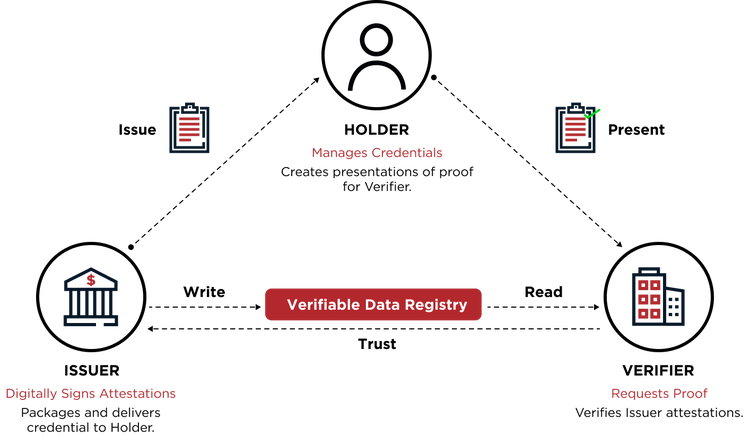
In markets like Singapore and Australia, as well as across Europe due to the EU eIDAS 2.0 regulations, institutions are beginning to embrace decentralized identity models that put customers in control of their data. These models enable faster onboarding, smoother transactions, and secure data sharing while also reducing the risk of personally identifiable information (PII) being compromised. Banks must ensure they can support an evolving ecosystem driven by wallet-based credentials and national identity schemes. Empowering customers to manage their wallet-based credentials boosts data portability and security, paving the way for innovative, customer-centric trust services that will redefine the financial services experience.
Key Statistics
3. The Underbanked Opportunity
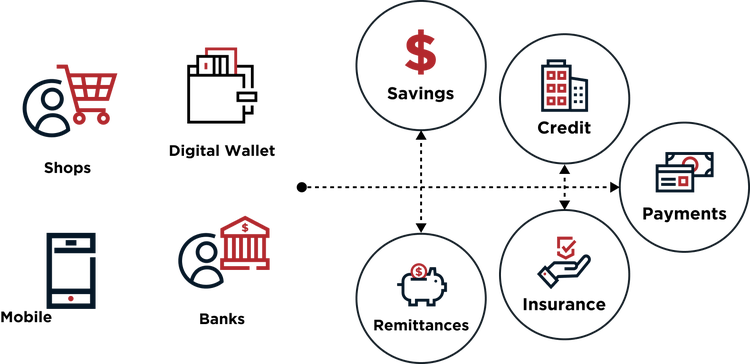
In many markets, the biggest barrier to financial inclusion isn't geography—it's identity. Millions of people globally remain unbanked or underbanked because they lack the formal documentation needed to pass traditional "Know Your Customer" (KYC) checks, but that's changing. Mobile-first CX, digital identity verification, and risk-based onboarding are redefining how institutions engage underserved populations. With the right IAM strategy, banks can securely onboard customers with alternative credentials, offer tiered services based on risk, and meet regulatory standards without adding friction. These innovations unlock new markets and build lasting trust and loyalty by meeting people where they are. For financial service providers looking to grow, the opportunity is clear: the next wave of CX leadership will be driven by the institutions that understand how to strategically serve the underbanked community.
Key Developments
A Unified Identity Platform for Financial Services
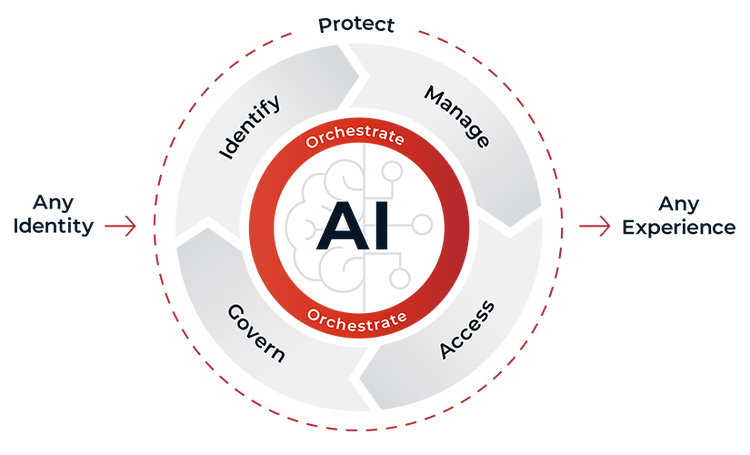
Whether you're launching open banking APIs, exploring decentralized identity, or leveraging digital banking to reach underbanked communities, one thing remains constant: identity is the common thread. It determines how fast you can onboard, how seamlessly you can serve, and how effectively you can earn trust. The financial institutions leading the market aren't just deploying IAM; they're using it to redefine CX, save costs, and strengthen security layers. With adaptive, secure, and user-first identity flows, they're lowering fraud, reducing churn, and unlocking new growth. This modernization is a competitive shift, and organizations have to adapt before they get left behind. The Ping Identity Platform is right here to help you capitalize on this opportunity.
Sources:
1 The Demand for Personalized Money Experiences: Stats and Graphs
2 Data reported by Ping Identity financial services customers
3 FDX Hits 94 Million Accounts, CFPB Publishes FDX's Standard-Setting Application
4 Research and Markets - Open Banking
5 SNS Insider - Decentralized Identity Market Report 2024
6 The ASEAN Post - Banking Southeast Asia’s unbanked